Home
Medication
Compound Semaglutide
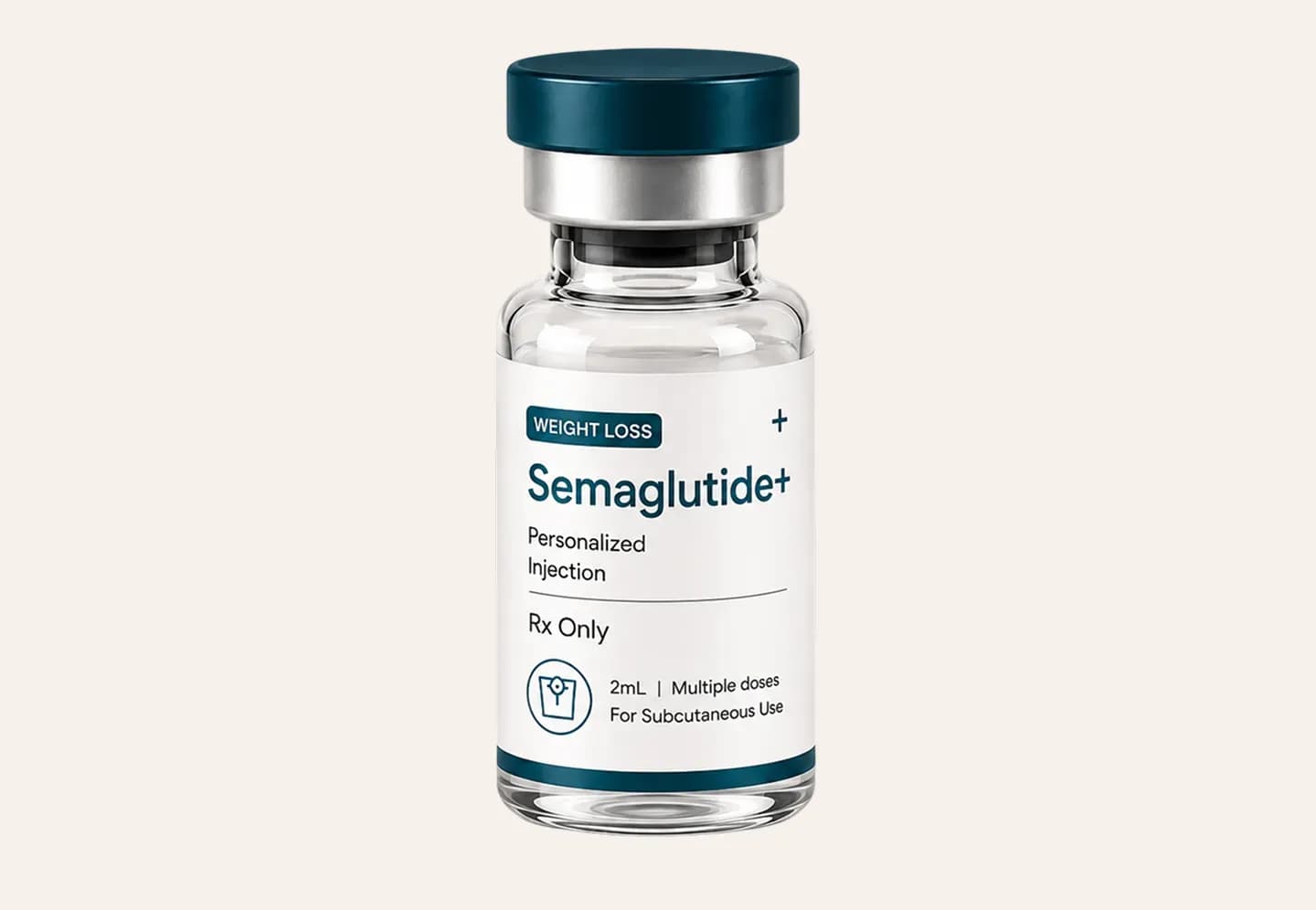
How Semaglutide Injections Work
Semaglutide mimics GLP-1, a hormone your body naturally releases after eating. GLP-1 tells your brain you're full and slows the rate food moves through your stomach — but it clears from your system within minutes. Semaglutide is built to do the same job and stay active far longer, so the fullness signal holds instead of fading between meals.
Plan Details
$149/month
Any prescribed dose.
+ Rejuva Meds membership
Any Dose Program
One price. Any prescribed dose.
See How Much You Could Lose
~19 lb
Based on an average 15.6% weight reduction with Semaglutide 2.4 mg weekly over 72 weeks in the STEP UP clinical trial.
Starting weight: 120 lb
Estimated Weight Loss at 72 Weeks
120 lb
101 lb
15.6%
Average weight loss with Semaglutide
These results are from a clinical study of an FDA-approved Semaglutide product and have not been established for compounded Semaglutide. Individual results may vary.
Targets your fullness signal
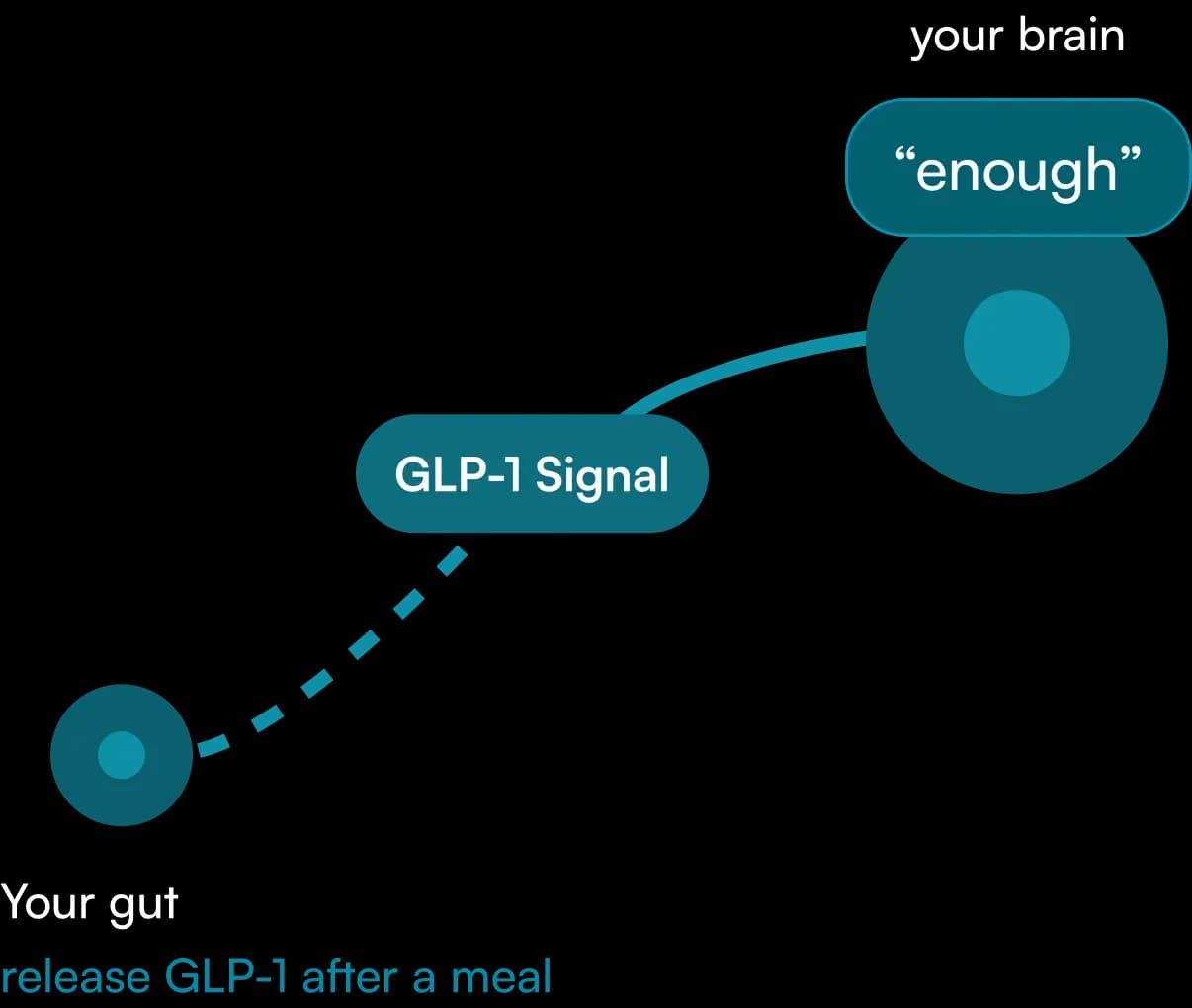
After you eat, your body releases GLP-1 — a hormone that travels to your brain and says: enough. Semaglutide mimics that signal.
Slows how fast your stomach empties
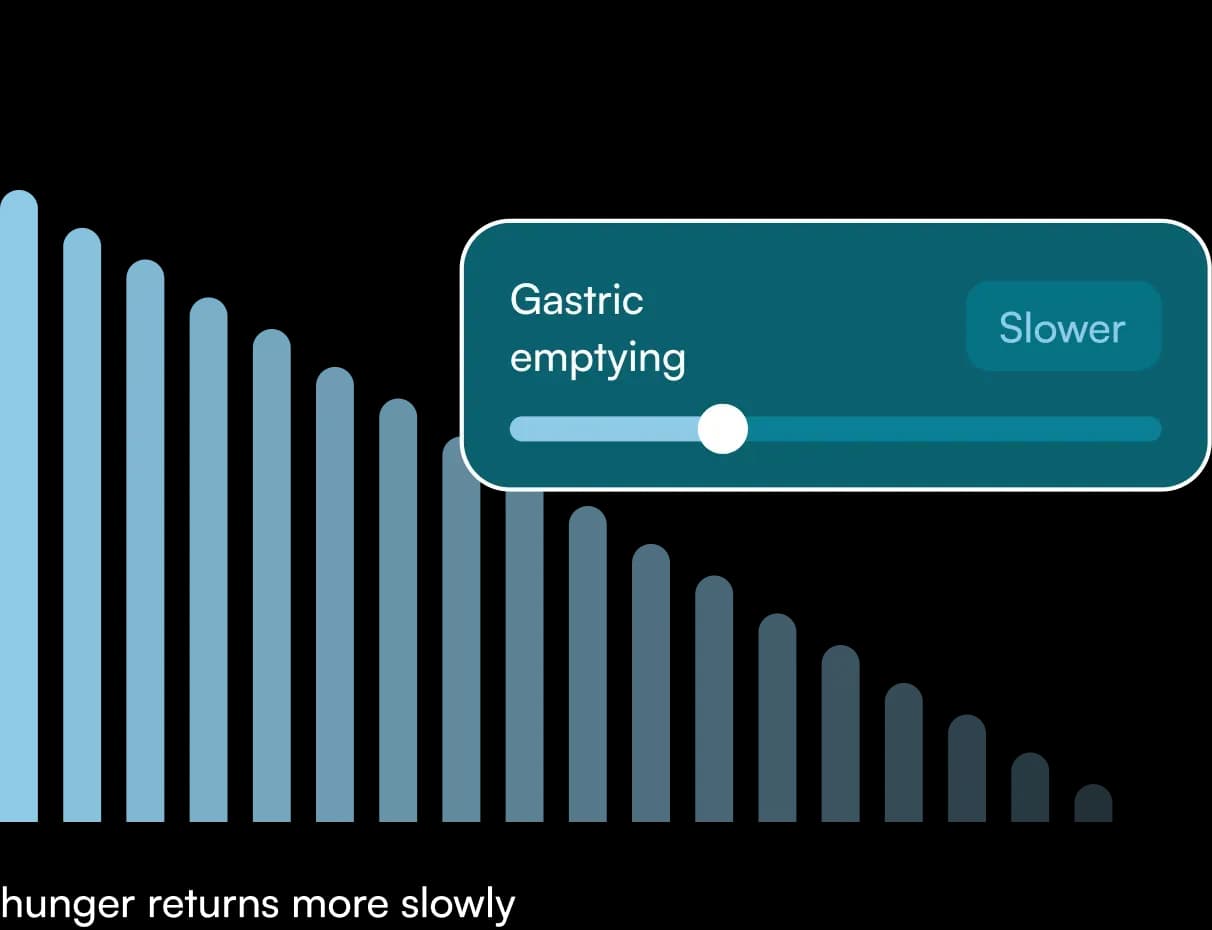
Food leaves your stomach more gradually after a meal, so fullness lasts and hunger returns more slowly.
Steadies the swings that drive cravings
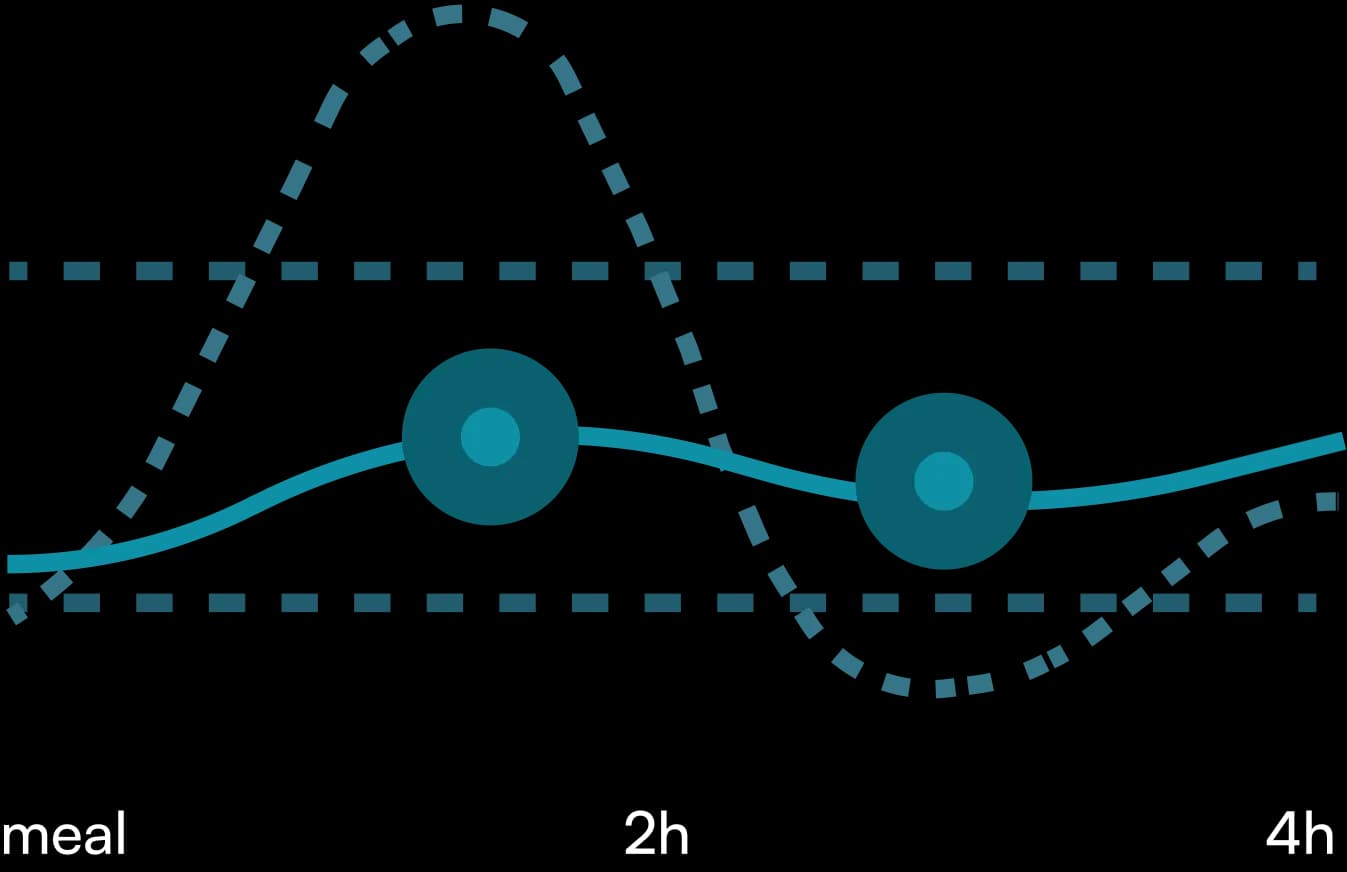
A steadier pace of digestion, along with more stable blood sugar, means fewer sharp spikes and crashes — the pattern that usually sends you looking for food.
Compare your options
See how two medications actually differ
Semaglutide Compound Tirzepatide | Semaglutide Compound Tirzepatide | |
|---|---|---|
Mechanism of action | Mimics the GLP-1 hormone to reduce appetite, increase fullness, and slow how quickly food leaves your stomach Activates both the GIP and GLP-1 receptors to reduce appetite, increase fullness, slow gastric emptying, and support healthy blood sugar | Mimics the GLP-1 hormone to reduce appetite, increase fullness, and slow how quickly food leaves your stomach Activates both the GIP and GLP-1 receptors to reduce appetite, increase fullness, slow gastric emptying, and support healthy blood sugar |
Dosage & administration | Once-weekly shot just under the skin, self-administered at home; starts at a low dose, increased gradually based on how you respond Once-weekly shot just under the skin, self-administered at home; starts at a low dose, increased gradually based on how you respond | Once-weekly shot just under the skin, self-administered at home; starts at a low dose, increased gradually based on how you respond Once-weekly shot just under the skin, self-administered at home; starts at a low dose, increased gradually based on how you respond |
FDA status | FDA-approved under brand names including Wegovy and Ozempic for specific approved uses FDA-approved under brand names including Zepbound (chronic weight management) and Mounjaro (type 2 diabetes) | FDA-approved under brand names including Wegovy and Ozempic for specific approved uses FDA-approved under brand names including Zepbound (chronic weight management) and Mounjaro (type 2 diabetes) |
Expected results timeline | Many patients notice reduced appetite within the first few weeks; meaningful weight loss typically develops over several months with consistent treatment. Semaglutide helped individuals lose an average of 15% of their body weight over 68 weeks in clinical studies. Many patients notice reduced appetite within the first few weeks; meaningful weight loss typically develops over several months with consistent treatment. Tirzepatide helped individuals lose an average of 20% of their body weight over 68 weeks in clinical studies. | Many patients notice reduced appetite within the first few weeks; meaningful weight loss typically develops over several months with consistent treatment. Semaglutide helped individuals lose an average of 15% of their body weight over 68 weeks in clinical studies. Many patients notice reduced appetite within the first few weeks; meaningful weight loss typically develops over several months with consistent treatment. Tirzepatide helped individuals lose an average of 20% of their body weight over 68 weeks in clinical studies. |
No one-size-fits-all solution. The right treatment depends on your health history, goals, and provider evaluation.
FAQ
Semaglutide frequent questions
What is GLP-1 weight loss treatment?
GLP-1 treatment is a class of prescription medication — including Semaglutide (GLP-1) and Tirzepatide (GLP-1 + GIP) — that works with your body's natural appetite signals, helping you feel full sooner, stay satisfied longer, and reduce the constant food noise. At Rejuva Meds, every protocol is reviewed by a licensed provider and built around you.
What's the difference between Semaglutide and Tirzepatide?
Semaglutide is a GLP-1 receptor agonist. Tirzepatide is a dual GIP and GLP-1 receptor agonist. Both are designed to support appetite regulation and long-term weight management, but they work through different receptor pathways. Your provider reviews your health history and goals to determine what may be appropriate for you.
Who is GLP-1 treatment for?
GLP-1 treatment may be considered for adults working toward provider-guided weight management who meet clinical criteria. Eligibility is determined by a licensed provider based on your medical history, current health, and goals. Treatment isn't right for everyone — that's why every plan begins with a provider review, not a checkout.
How does the prescription process work?
You complete a quick clinical intake, share your medical history, and connect with a licensed provider. If approved, your medication is prepared by a partner pharmacy and shipped directly. Your provider stays involved as your dosing is titrated and adjusted over time.
What should I know about side effects?
Side effects vary by person. Common effects may include nausea, constipation, diarrhea, appetite changes, or digestive discomfort, especially while your body adjusts. Your provider reviews your medical history, explains what to watch for, and can adjust your protocol if needed.
Are these medications FDA approved?
No. The medications prescribed through Rejuva Meds are compounded preparations, and compounded medications are not FDA-approved. The FDA does not review compounded preparations for safety, effectiveness, or manufacturing quality before they’re marketed. They are prescribed by a licensed clinician and prepared by a licensed pharmacy when determined appropriate for you. Read full safety information